Finding a suitable freight carrier is not always straightforward, even for businesses that arrange transport regularly.
A Melbourne manufacturer may need pallets delivered to Sydney, while a regional food producer requires refrigerated transport to reach a distribution centre. Both need reliable freight transport, but the equipment, availability, delivery requirements and costs can be very different.
Traditionally, businesses have relied on existing carrier relationships, direct enquiries or freight brokers to arrange these movements. Online freight marketplaces now offer another sourcing option.
Through Freightland Carriers Australia (FCA), businesses can post freight requirements, receive responses from interested registered transport operators and compare available bids before selecting a provider.
The advantage is greater visibility of transport options, while the shipper retains control over the final decision.
Why Australian Businesses Need More Flexible Freight Sourcing Options
Freight requirements can change from one shipment to the next.
A wholesaler moving standard pallets may need a tautliner, while a construction supplier transporting machinery could require a low-loader. Agricultural businesses may face limited regional availability, and food producers may need temperature-controlled equipment.
Relying on a small group of transport contacts can become difficult when the usual carrier is unavailable or the freight requires unfamiliar equipment.
Real Australian industry events demonstrate these challenges.
In April 2023, ABC Rural reported that Queensland-based Black Rock Beef Co struggled to secure refrigerated transport following the collapse of Scott's Refrigerated Logistics. The situation highlighted how changes in carrier availability can disrupt regional businesses, particularly those requiring specialised equipment.
More recently, ABC News reported in March 2026 that rising fuel prices were placing additional financial pressure on Australian road transport operators, affecting their operating costs and potentially freight pricing.
These challenges make it worthwhile for businesses to consider a broader range of suitable transport providers rather than relying on one sourcing arrangement.
Traditional Freight Brokers vs Online Freight Marketplaces
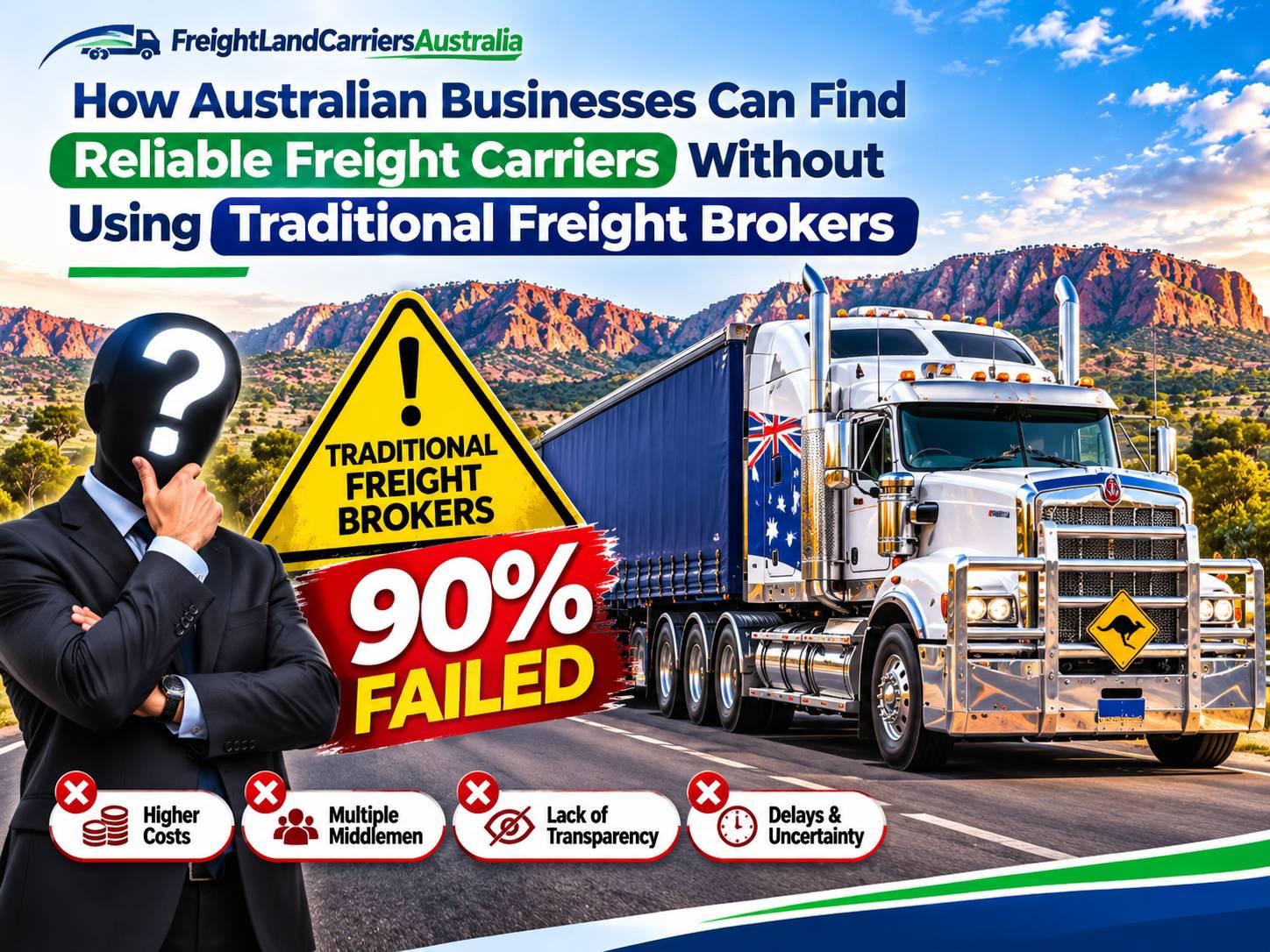
Traditional freight brokers and online freight marketplaces offer different ways for Australian businesses to arrange freight transport. Both can help shippers find suitable carriers, but the sourcing and coordination processes differ.
Traditional freight brokers
A traditional freight broker provides a managed approach to sourcing transport. Depending on the arrangement, a broker may:
-
Draw on established carrier networks and transport industry knowledge.
-
Identify suitable operators, request rates and negotiate commercial arrangements.
-
Coordinate bookings, collection requirements and delivery instructions with the parties involved.
This can be valuable for businesses that want professional support coordinating freight movements, particularly where requirements are complex or resources are limited.
Online freight marketplaces
An online freight marketplace offers a different process. Through Freightland Carriers Australia, businesses can:
-
Register and post freight requirements, including collection and delivery details, load specifications and timing.
-
Make the freight opportunity available for interested registered transport operators to review.
-
Receive quotes or bids where suitable operators choose to respond, depending on their capacity and availability.
-
Compare available proposals, including price, equipment, timing and terms, before selecting and coordinating directly with an operator.
Freightland Carriers Australia was shaped by hands-on transport industry experience, including working with trucks, diesel mechanics, driving and operating heavy vehicles. That background highlighted a familiar challenge: trucks can travel long distances with unused capacity or return empty, while businesses elsewhere may be looking for suitable transport. Fuel, maintenance and empty kilometres all affect whether a return load makes commercial sense.
This experience informed FCA’s marketplace concept: bringing freight requirements and potential transport capacity into view so both sides can assess whether a movement is a practical fit. FCA connects shippers with registered transport operators; it does not operate a truck fleet, carry the freight or guarantee carrier responses.
Which approach is right for your business?
A broker may suit businesses seeking managed coordination. FCA may suit shippers who want to post their own requirements, compare available carrier bids and make the final selection. Neither model is universally better; the decision depends on the particular load and the support the business needs.
How Freightland Carriers Australia Connects Shippers and Transport Operators
FCA brings two sides of the Australian freight industry together.
Shippers are businesses or individuals requiring goods to be transported. They may include manufacturers, retailers, wholesalers, construction companies, agricultural producers and distributors.
Carriers or transport operators are independent businesses and owner-drivers providing freight services with their own operating arrangements, vehicles and equipment.
The marketplace provides an opportunity for shippers to present transport requirements and for interested registered operators to respond.
For shippers, this creates another way to compare available freight options. For carriers, it provides visibility of potential freight work beyond their existing customer relationships.
Both sides benefit when the freight description is accurate and the proposed transport arrangement is commercially and operationally suitable.
How to Post Freight Requirements and Compare Carrier Responses
FCA's marketplace process allows businesses to seek transport options without relying exclusively on individual phone calls or broker-managed enquiries.
-
Step 1 – Register with FCA. Create an account on the Freightland Carriers Australia marketplace.
-
Step 2 – Prepare the freight information. Include pickup and delivery locations, freight type, weight, dimensions, quantity, timing, loading arrangements and any special requirements.
-
Step 3 – Post the freight requirement. Log in to the FCA platform and Submit the movement details through the marketplace so interested registered operators can consider the opportunity.
-
Step 4 – Receive available responses. Transport operators may submit quotes or bids when the freight suits their equipment, routes and availability.
-
Step 5 – Compare transport options. Review the proposed price, vehicle suitability, delivery timing, relevant experience, additional charges, insurance and handling arrangements.
-
Step 6 – Select a transport provider. Choose the operator whose proposal best suits the shipment, not simply the lowest quote.
-
Step 7 – Complete the booking and payment through the FCA platform. Manage shipment coordination and track the shipment through the platform. Communicate with the selected carrier regarding any additional operational details as required.
The process gives shippers a practical way to seek and assess transport options. However, receiving bids depends on operator interest and availability.
What Should Businesses Compare Before Choosing a Freight Carrier?
A lower freight quote does not necessarily represent the most suitable transport arrangement.
-
Vehicle suitability: Does the proposed truck or trailer suit the freight’s mass, dimensions and handling requirements?
-
Route experience: Does the operator regularly service the destination or have relevant experience with the movement?
-
Pickup and delivery: Can the proposed vehicle access both locations and meet realistic delivery windows?
-
Loading arrangements: Are forklifts, cranes, loading docks or other equipment required and available?
-
Commercial terms: What charges apply to waiting, redelivery, additional handling or changes?
-
Insurance and communication: What cover applies, and how will delays or delivery exceptions be communicated?
For example, a manufacturer transporting pallets from Melbourne to Sydney should compare vehicle availability, loading appointments and delivery arrangements alongside the quoted rate.
Accurate requirements make these comparisons more meaningful.
Matching Freight Requirements With Suitable Transport Options
Different freight categories require different transport capabilities.
A business moving chilled products needs appropriate refrigerated freight equipment, including the required temperature arrangements.
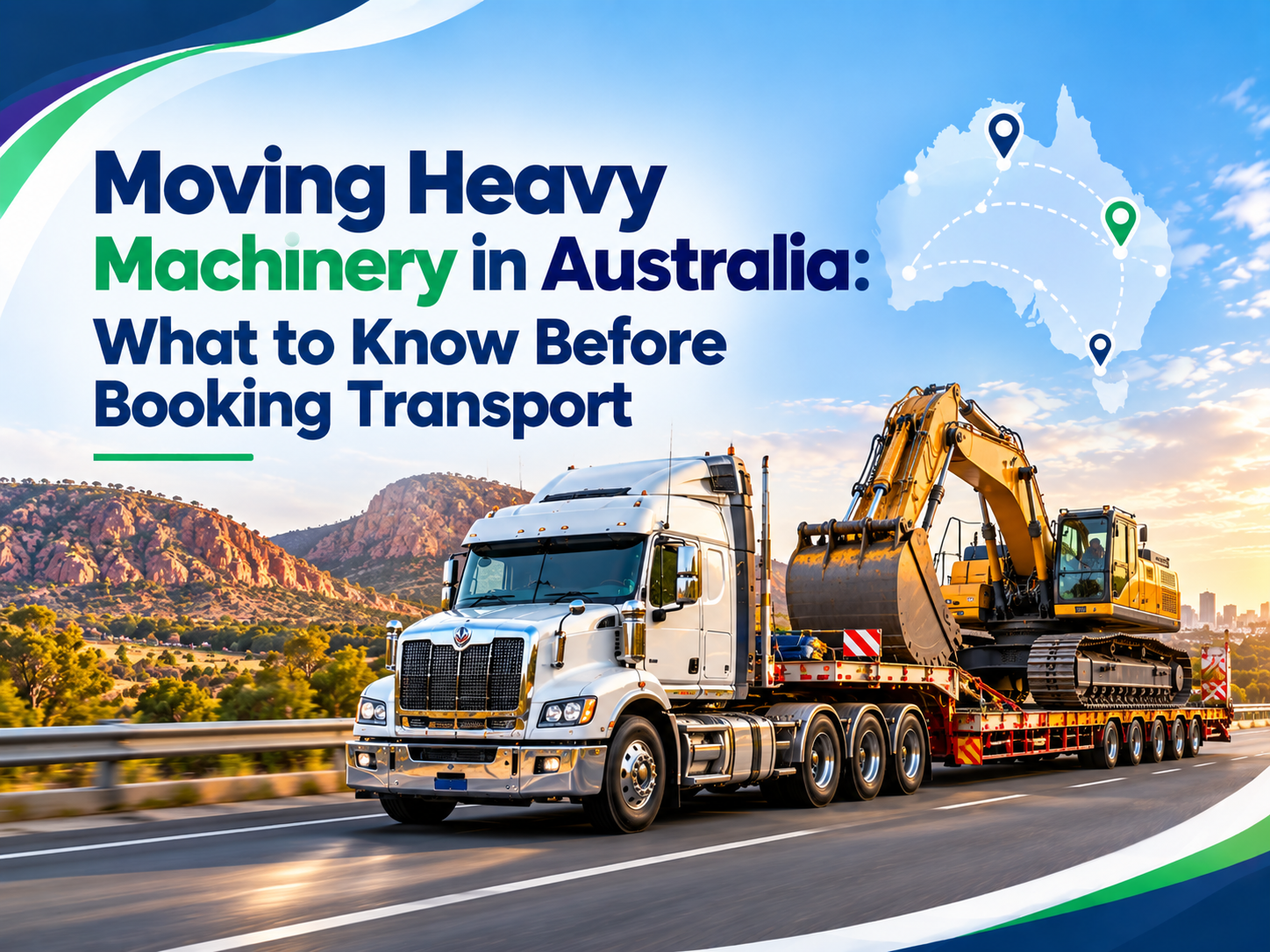
Machinery movements may require specialised trailers, loading equipment and access planning. Businesses can explore the relevant considerations through FCA’s machinery transport category.
For container movements, appropriate equipment and terminal arrangements become important. FCA also provides information about container transport.
Oversize loads, heavy haulage and dangerous goods may involve additional regulatory and equipment requirements.
The important point is that a carrier's ability to service a destination does not automatically establish suitability for every type of freight.
Can Backloads Provide Another Freight Transport Option?
Backloading involves using suitable available capacity on a truck already undertaking a return or onward journey.
For example, a truck returning from Sydney towards Melbourne may have capacity for compatible freight travelling in the same direction.
A shipper with flexible collection and delivery requirements may find this worth considering.
FCA’s backloads category provides additional context about these movements.
Businesses searching for backloads Australia or truck backloads Australia should remember that availability alone is not enough. The freight must fit the vehicle, route, available capacity and schedule.
A suitable backload may offer another commercial option, but lower pricing or availability cannot be assumed.
Why Transport Availability and Fair Pricing Matter to Both Sides
Transport sourcing is not only about finding the lowest possible price.
In April 2026, ABC News reported concerns raised by transport industry representatives about fuel costs and financial pressure on truck drivers and transport businesses.
For shippers, this reinforces the importance of comparing realistic transport proposals. For carriers, sustainable pricing and suitable loads are essential commercial considerations.
A useful freight marketplace serves both interests: businesses can seek appropriate transport options, while operators can consider genuine freight opportunities that fit their operations.
Find Suitable Freight Transport Options Through FCA
Finding the right carrier starts with accurate freight information and a clear understanding of the transport arrangements being offered. Comparing equipment, availability, timing and commercial terms helps businesses make better-informed decisions.
For your next freight transport requirement, register with Freightland Carriers Australia, post your load details and review available responses from registered transport operators. Choose the provider that best suits your freight, delivery needs and budget.
Frequently Asked Questions
1. How can Australian businesses find freight carriers?
Businesses can contact transport operators directly, use freight brokers or post requirements through online freight marketplaces such as FCA and review available responses.
2. Is an online freight marketplace the same as a freight broker?
No. A traditional broker may source and coordinate transport on a customer's behalf. A marketplace allows shippers to post requirements, compare available operator responses and make their own selection.
3. What information is needed to request freight quotes?
Provide the freight type, quantity, weight, dimensions, pickup and delivery locations, timing, loading arrangements and relevant access or handling requirements.
4. Are backloads suitable for every shipment?
No. A backload must suit the operator's existing route, equipment, capacity and schedule. Time-critical or specialised shipments may require different arrangements.
5. Does Freightland guarantee freight quotes or carrier availability?
No. Interested registered operators may respond to posted requirements, but bids, prices and availability depend on the particular freight movement.
6. Who arranges transport after a carrier is selected?
After a shipper selects a transport operator, booking, payment and shipment coordination can be managed through the FCA platform. Shippers can also track their shipments in real time and rate their carrier after delivery. Any additional operational arrangements can be discussed with the selected independent carrier as required.